For several years now, organic wine has been making its way onto the finest tables and appealing to a public seeking meaning and quality. But behind this often misunderstood label lies a profound commitment: to viticulture that respects living organisms, to measured winemaking, and to expertise dedicated to taste.
At Chai Saint Olive, we have chosen to integrate this philosophy into our approach: working with living things, without ever betraying what nature entrusts to us. Because for us, an organic wine is not simply "without chemicals" — it is a wine conceived, nurtured, and vinified with precision and transparency.
What exactly is meant by “organic wine”?
Organic wine, or “organic wine”, is wine produced from grapes grown according to the strict rules of organic farming. In practical terms, this means that no synthetic pesticides, chemical fertilizers, or industrial herbicides are used in the vineyard.
But the commitment doesn't stop there. Since 2012, European regulations have also imposed specific winemaking practices: limiting oenological inputs, reducing authorized doses of sulfur, and prohibiting certain aggressive techniques on wines.
Organic wine is therefore not a wine "without intervention", but a wine in which each step is designed to preserve the natural balance, and above all the authentic expression of the terroir.
Organic Winemaking: Between Mastery and Minimalism
Organic winemaking is based on a simple principle: intervening only when necessary, never automatically. This requires considerable technical skill, but also attentive listening to the wine as it transforms.
At Chai Saint Olive, this means, for example:
- Favor indigenous yeasts (naturally present on the skin of the grape) rather than industrially selected yeasts.
- Limit the addition of sulfites, only if the stability of the wine requires it.
- To carry out long fermentations at low temperatures in order to preserve freshness and aromatic typicity.
- Avoid harsh techniques (centrifugation, reverse osmosis) which deplete the wine.
The result: wines that are alive, straightforward, expressive — a true reflection of the grape, the vintage and the winemaker's work.
Why choose an organic wine today?
Buying organic wine is not just a health or environmental choice. It's also choosing a wine that has been conceived differently, often with more care, consistency, and rigor than some conventional wines.
The benefits are numerous:
- A reduced ecological impact: living soils, preserved hedges, preserved biodiversity.
- A sustainable approach to the vineyard, limiting erosion and heavy treatments.
- A taste that is often purer, without oenological makeup.
- Support for committed producers, who take on a greater workload for a more virtuous result.
And it is also, very often, a rediscovery of wine in its most natural, most nuanced form.
How to recognize an organic wine? Some key points to consider.
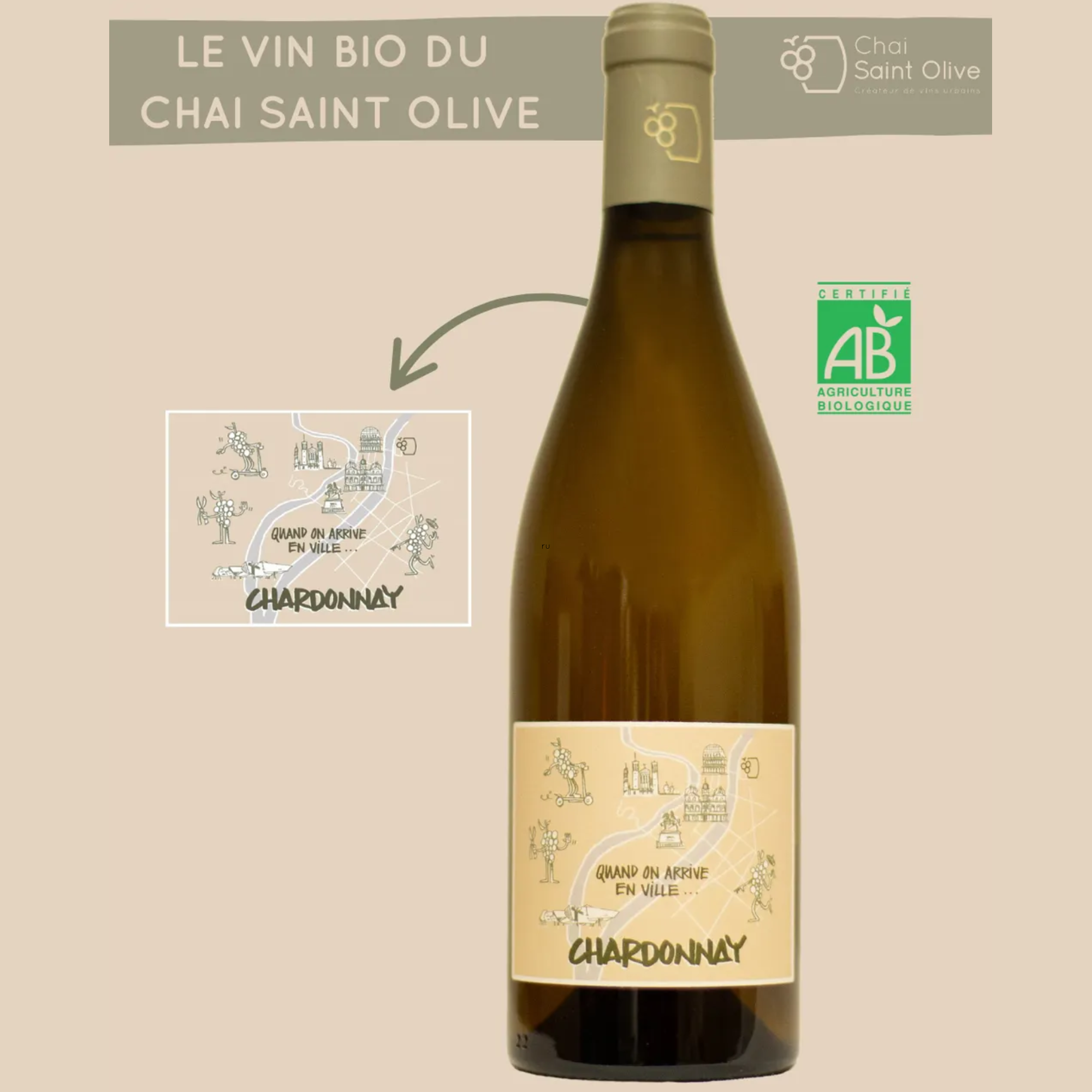
Regulations require clear labeling: a certified organic wine must bear the European "Euroleaf" logo (a white leaf on a green background, composed of stars), as well as a certification code (e.g., FR-BIO-01).
Note: certain claims like "made from organic grapes" can be misleading if they are not accompanied by organic certification. And wines labeled "natural" or "sulfur-free" are not necessarily organic: only the official label guarantees compliance with organic production rules from vine to bottle.
Organic Wine according to Chai Saint Olive: Elegance, High Standards and Balance
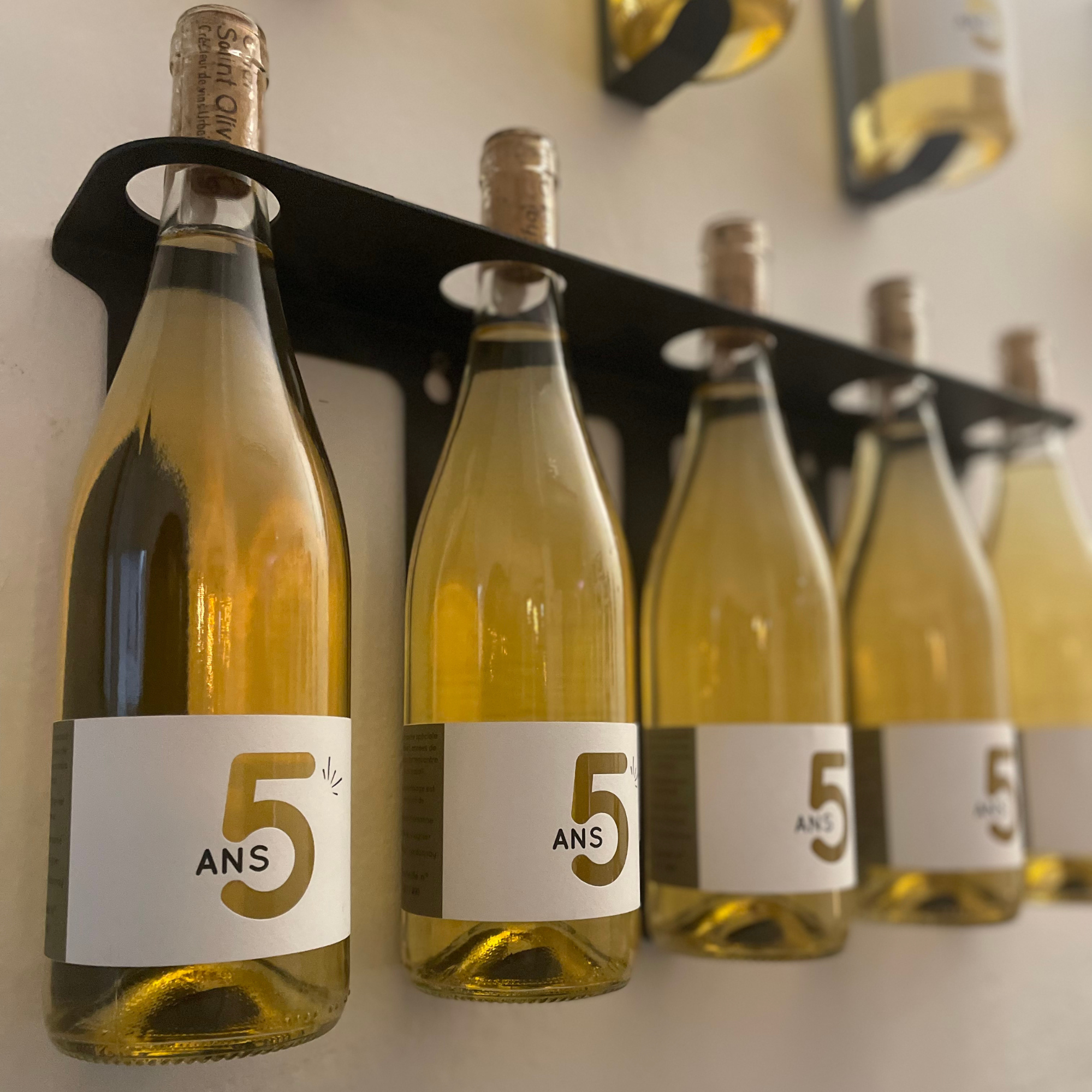
At Chai Saint Olive, we don't see organic wine as an end in itself, but as a demanding philosophy. We choose grapes from plots cultivated according to the principles of organic farming, which we then vinify with great care.
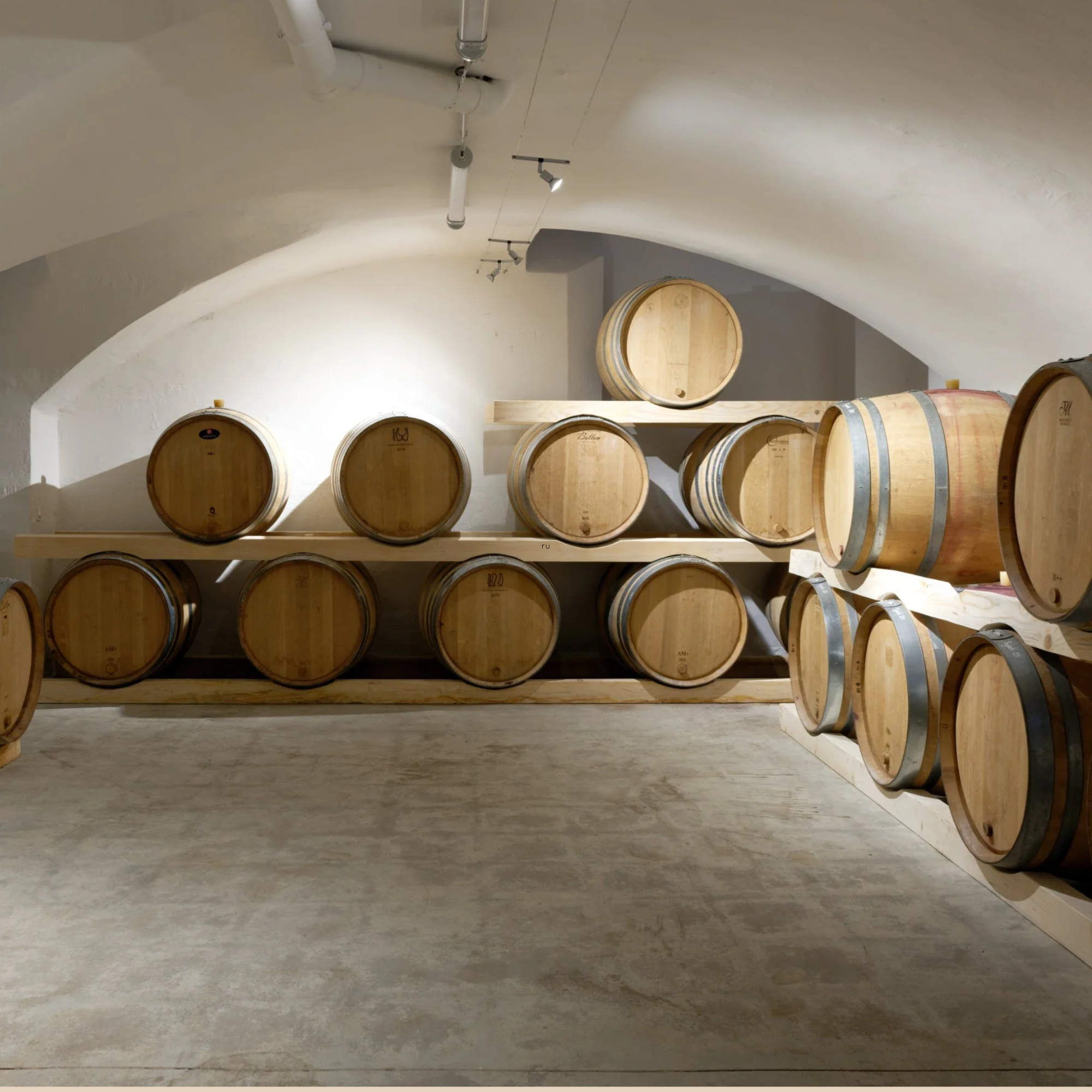
Our urban winery in Lyon allows us to closely monitor each step: controlled maceration, precise aging, and decisions tailored to each vintage. The goal? To let the wine speak for itself, not to mask its flaws.
We believe that a good organic wine must be as good technically as it is ethically. And it is this combination that gives rise to vibrant, honest, and profoundly alive wines.
In summary
Organic wine is not just a logo on a label. It's a fundamental undertaking, a vision, a method. It's about respecting the soil, the fruit, and the person who will taste the wine.
At Chai Saint Olive, we champion a sincere and carefully crafted organic wine, which never forgets that the essential thing is taste — but that taste begins in the vineyard.

Share on social networks: